
Making great coffee at home doesn’t require expensive café equipment, commercial-grade machines, or years of professional training. You don’t need a wall of stainless steel hardware or a barista certification to brew an excellent cup. What truly matters is understanding how coffee works, how flavor is created, and how a few thoughtful adjustments can dramatically improve your results. Coffee is a balance of science, technique, and personal preference, and once you understand the fundamentals, you gain complete control over the quality of what you drink every day.
Many people assume that great coffee is something that only happens in specialty cafés, produced by experts using costly tools. In reality, most café-quality results come from simple principles applied consistently: fresh beans, proper grinding, good water, accurate measurements, and careful brewing. When these elements are aligned, even modest home setups can produce coffee that is sweeter, clearer, and more satisfying than what is served in many commercial settings. With the right approach, your kitchen can become a personal coffee bar tailored exactly to your taste.
From choosing better beans and learning how freshness affects flavor, to mastering grind size and understanding how water chemistry influences extraction, every step in the brewing process plays a meaningful role in what ends up in your cup. The way you store coffee, the temperature of your water, the ratio you use, the speed of your pour, and even how clean your equipment is all contribute to the final result. None of these factors works in isolation. Together, they determine whether your coffee tastes flat, bitter, sour, or beautifully balanced.
This guide walks you through everything you need to know to consistently make better coffee at home, regardless of your budget, kitchen size, or experience level. Whether you are using a simple drip machine, a French press, a pour-over cone, or an AeroPress, the principles remain the same. By learning how each variable affects flavor and how to adjust it to suit your preferences, you can move from guessing to intentional brewing.
The goal is not perfection, but consistency and enjoyment. When you understand why coffee tastes the way it does, you stop relying on luck and start creating results you can repeat. Over time, small improvements compound, and brewing becomes second nature rather than a chore. Instead of hoping for a good cup, you learn how to make one—every morning, on your own terms.
Start With Better Coffee Beans
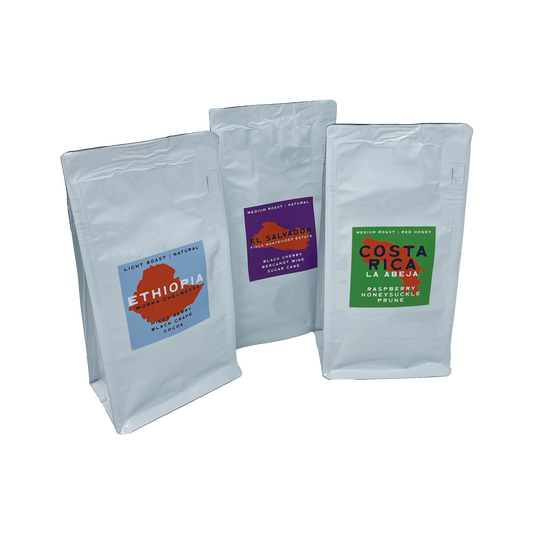
Great coffee begins long before water ever touches the grounds. No amount of skill, equipment, or technique can fully compensate for low-quality or stale beans. Brewing is not about creating flavor from nothing—it is about revealing what is already present in the coffee. If the beans are old, poorly roasted, or poorly stored, the best brewing method in the world will still produce a flat, dull, or bitter cup. Starting with good coffee is the most important decision you can make.
Many people focus first on brewers and gadgets, but professionals know that bean quality and freshness account for most of what you taste. Investing in better coffee and treating it properly will improve your results far more than upgrading equipment alone.
Choose Fresh, Whole Beans
Freshness matters more than almost anything else in coffee. After roasting, beans begin to release carbon dioxide and lose volatile aromatic compounds that give coffee its sweetness, complexity, and fragrance. This process starts immediately and accelerates over time. Within weeks, even high-quality beans can become noticeably dull.
Whenever possible, buy coffee with a clearly printed roast date, not just an expiration date. The roast date tells you when the beans were actually cooked and when their flavor peak begins. For most coffees, peak flavor occurs between about five days and four weeks after roasting, depending on the roast level and storage conditions. Light and medium roasts often benefit from a few days of rest after roasting, while darker roasts peak more quickly.
Avoid coffee that has been sitting on shelves for months without any indication of freshness. Even if it is technically “not expired,” it is likely past its prime.
Whole beans preserve flavor far longer than pre-ground coffee. Once coffee is ground, its surface area increases dramatically, allowing oxygen to strip away aromatics and oils within minutes. This is why pre-ground coffee often smells weak and tastes flat. Grinding right before brewing protects delicate compounds that give coffee its depth and character.
If you want better coffee at home, switching from pre-ground to whole beans and grinding fresh is one of the fastest and most noticeable improvements you can make.
Buy Smaller Quantities
Buying coffee in bulk may seem economical, but it often leads to worse results. Large bags tend to sit open for weeks or months, slowly losing flavor with every exposure to air, light, and humidity. By the time you reach the bottom of the bag, the coffee may taste completely different from when you first opened it.
Instead, purchase smaller quantities more frequently. Buying enough coffee to last one to two weeks ensures that most of what you brew falls within its optimal freshness window. This approach keeps flavors brighter, sweeter, and more expressive.
Smaller purchases also allow you to explore different origins and roasts without being locked into one bag for months. Over time, this helps you learn what styles you enjoy most.
Match Roast Level to Your Taste
Roast level plays a major role in how coffee tastes. It affects acidity, sweetness, bitterness, body, and aroma. Understanding roast profiles helps you choose beans that align with your preferences and brewing methods.
Light Roasts: Bright, Fruity, Complex
Light roasts are roasted for the shortest time. They retain much of the bean’s original character and highlight origin-specific flavors.
Typical traits include:
-
Bright acidity
-
Fruit and floral notes
-
High complexity
-
Lighter body
Light roasts work especially well for pour-over and manual brewing methods. They reward careful technique and attentive brewing.
Medium Roasts: Balanced, Sweet, Versatile
Medium roasts balance origin flavor with roast development. They are often the most versatile and approachable.
Typical traits include:
-
Caramel sweetness
-
Balanced acidity
-
Smooth texture
-
Broad appeal
These roasts perform well across most brewing methods, including drip machines, French press, and pour-over.
Dark Roasts: Bold, Smoky, Intense
Dark roasts are roasted longer, emphasizing roasted flavors over origin characteristics.
Typical traits include:
-
Chocolate and smoke notes
-
Low acidity
-
Heavy body
-
Strong bitterness
Dark roasts work well for people who enjoy intense, robust coffee and often pair well with milk-based drinks.
Choose What You Enjoy—Not What’s “Popular”
There is no universal “best” roast. Preference is personal, and taste evolves over time. Some people love bright, citrusy light roasts. Others prefer deep, bold dark roasts. Many settle comfortably in the middle.
Your brewing method also matters. Light roasts often shine in pour-over. Dark roasts are more forgiving in drip machines. Medium roasts adapt well to almost anything.
The goal is not to follow trends, but to understand your own preferences and choose beans that support them.
Start Strong, Brew Better
When you begin with fresh, high-quality, properly roasted whole beans, you give yourself a strong foundation. Every other improvement—better grinding, better water, better technique—builds on this base.
Good beans make good coffee possible. Without them, even perfect brewing becomes a compromise. With them, even simple equipment can produce outstanding results.
Grind Size: The Foundation of Flavor
If you improve only one thing in your home coffee setup, make it your grinder. More than any brewer, kettle, or accessory, your grinder has the greatest impact on how your coffee tastes. Even with excellent beans and perfect water, poor grinding will prevent you from reaching consistent, balanced results. A good grinder turns quality coffee into great coffee. A bad grinder wastes its potential.
Many home brewers focus first on machines and brewing devices, but professionals know that grind quality is the foundation of extraction. Without consistent particle size, it is impossible to control how flavor is released into your cup.
Why Grinding Matters
Grinding determines how much surface area is exposed to water. This directly controls extraction—the process by which water dissolves sugars, acids, and aromatic compounds from coffee.
When water contacts coffee grounds, it begins pulling flavor immediately. How fast and how evenly this happens depends on grind size.
Too Fine
When coffee is ground too finely:
-
Water flows too slowly
-
Extraction takes too long
-
Bitter compounds dominate
-
Texture becomes dry or harsh
The result is often sharp bitterness, astringency, and an unpleasant aftertaste.
Too Coarse
When coffee is ground too coarsely:
-
Water flows too quickly
-
Extraction is incomplete
-
Sweetness doesn’t develop
-
Acidity dominates
The result is sour, thin, weak coffee that lacks depth and balance.
The Sweet Spot
The ideal grind allows water to extract sweetness, acidity, and body in harmony. When grind size is correct:
-
Flavors feel integrated
-
Sweetness is present
-
Acidity is pleasant
-
Bitterness is controlled
Even a tiny adjustment—sometimes just one click on a grinder—can transform a cup from harsh to smooth, or from flat to vibrant. That is why grinding is so powerful.
Use a Burr Grinder
Not all grinders are created equal. The difference between blade and burr grinders is one of the most important distinctions in home coffee brewing.
Blade Grinders: Inconsistent and Unpredictable
Blade grinders work like small blenders. They spin sharp blades that chop beans randomly.
This creates:
-
Fine dust
-
Medium fragments
-
Large chunks
-
Uneven particles
Because these pieces extract at different speeds, some over-extract while others under-extract in the same brew. This leads to muddled, harsh, or hollow flavors.
Blade grinders also heat coffee during grinding, which can damage aromatics.
They are inexpensive, but they limit your results.
Burr Grinders: Consistent and Precise
Burr grinders use two textured surfaces (burrs) that crush beans to a specific size. The distance between the burrs determines grind size.
This produces:
-
Uniform particles
-
Predictable extraction
-
Better sweetness
-
Cleaner flavor
-
More control
Because all particles are similar in size, water extracts them evenly. This is why burr grinders are standard in cafés and among serious home brewers.
A basic burr grinder will improve your coffee more than most other upgrades.
Match Grind to Brew Method
Different brewing methods require different grind sizes because they use different contact times and flow rates. Matching grind size to method is essential for proper extraction.
French Press – Coarse
French press uses full immersion and metal filtration.
Coarse grind:
-
Prevents sludge
-
Reduces bitterness
-
Improves clarity
Texture should resemble coarse sea salt.
Pour Over – Medium-Fine
Pour-over relies on controlled flow through a paper filter.
Medium-fine grind:
-
Slows water slightly
-
Enhances sweetness
-
Improves balance
Texture should resemble table salt.
Drip Machine – Medium
Most drip machines are designed for medium grind.
Medium grind:
-
Matches machine flow rate
-
Prevents clogging
-
Produces balanced cups
Texture should resemble granulated sugar.
AeroPress – Fine to Medium
AeroPress is flexible and works with many recipes.
Fine to medium grind:
-
Depends on steep time
-
Depends on pressure
-
Depends on recipe
This method rewards experimentation.
Espresso – Fine
Espresso requires very fine grinding.
Fine grind:
-
Creates resistance
-
Builds pressure
-
Enables proper extraction
Texture resembles powdered sugar or flour.
Espresso grinding requires precise, high-quality grinders.
Adjust Gradually and Taste Often
One of the biggest mistakes home brewers make is changing too many variables at once. When dialing in grind size, move slowly and taste carefully.
Best Practice
-
Brew with current grind
-
Taste critically
-
Adjust slightly
-
Brew again
-
Compare results
Make small changes—one click or one notch at a time. Large adjustments make it harder to understand what improved or worsened the cup.
Keep Notes (Optional but Helpful)
If you want to improve faster, note:
-
Grind setting
-
Brew time
-
Taste result
Patterns will emerge over time.
Fresh Grinding Makes a Huge Difference
Grinding immediately before brewing preserves aroma and flavor.
Once coffee is ground:
-
Aromatics escape rapidly
-
Oils oxidize
-
Sweetness fades
-
Complexity drops
Within 15–30 minutes, much of the fragrance is gone. Within hours, the difference is obvious.
Fresh grinding ensures:
-
Strong aroma
-
Fuller flavor
-
Better mouthfeel
-
More sweetness
This alone can make home coffee feel “café-level.”
Grinder Quality Matters More Than Brewer Cost
Many people spend hundreds on brewers while using poor grinders. This is backwards.
A modest brewer + good grinder beats an expensive brewer + bad grinder
Every time.
If you are budgeting, prioritize grinding first.
The Grinder Is Your Control Center
Your grinder is the main tool that lets you shape flavor.
It allows you to:
-
Fix sour coffee
-
Reduce bitterness
-
Increase sweetness
-
Improve body
-
Adapt to new beans
With a good grinder and basic knowledge, you can tune almost any coffee to taste better.
Why the Grinder Is the Most Important Upgrade
When you control grind size, you control extraction.
When you control extraction, you control flavor.
That is why professionals obsess over grinders.
That is why cafés invest heavily in them.
That is why improving your grinder changes everything.
If you want consistently better coffee at home, start here.
Master your grind, and the rest becomes much easier.
Water: The Hidden Ingredient
Coffee is more than 98% water, which means that the quality of your water has an enormous impact on the quality of your coffee. Even if you use excellent beans and perfect technique, poor water will limit your results. Many home brewers focus on grinders and brewers while overlooking water, yet professionals know that water is one of the most important ingredients in the entire process.
Because coffee is mostly water, every impurity, mineral imbalance, or chemical residue in that water ends up in your cup. If your water tastes bad on its own, your coffee will taste bad too—no matter how good everything else is.
Use Clean, Filtered Water
The best starting point for home brewing is clean, fresh-tasting, filtered water. Tap water varies widely depending on location. In some areas, it is perfectly suitable for coffee. In others, it contains high levels of chlorine, minerals, or dissolved solids that interfere with flavor.
Avoid Distilled and Softened Water
Distilled water and heavily purified water may seem ideal because they are “clean,” but they are actually too empty for coffee brewing. Coffee extraction depends on minerals in the water to dissolve flavor compounds.
Water with no minerals tends to produce coffee that tastes:
-
Flat
-
Hollow
-
Thin
-
Lifeless
Similarly, water that has been heavily softened can lack the balance needed for proper extraction.
Avoid Heavily Chlorinated Water
Chlorine and chemical treatments in tap water are designed to make water safe to drink, but they can introduce harsh, medicinal, or metallic flavors into coffee. These tastes become more noticeable when hot water is used for brewing.
If your tap water smells like a swimming pool or tastes sharp, it will negatively affect your coffee.
Aim for Balanced Mineral Content
The ideal brewing water contains moderate levels of minerals such as calcium and magnesium. These minerals help water bond with coffee compounds and extract sweetness, acidity, and aroma more effectively.
Filtered water typically provides a good balance by removing chlorine and contaminants while preserving useful minerals.
A simple pitcher filter or under-sink system can dramatically improve coffee quality with minimal cost.
Why Water Chemistry Matters
Water is not just a carrier—it is an active participant in brewing.
Minerals in water affect:
-
How quickly flavor dissolves
-
Which compounds are extracted first
-
How sweetness and acidity develop
-
How bitterness is perceived
Too few minerals = weak extraction
Too many minerals = harsh extraction
Balanced water creates balanced coffee.
This is why cafés often use custom water systems. At home, basic filtration gets you most of the way there.
Control Temperature
Temperature determines how fast and how thoroughly coffee extracts. Water that is too cool cannot dissolve enough flavor compounds. Water that is too hot extracts undesirable bitter and drying compounds.
Most brewing methods perform best between:
195°F and 205°F (90–96°C)
This range allows water to extract sweetness, acidity, and body without overwhelming bitterness.
What Happens When Water Is Too Cool
When brewing below the ideal temperature range:
-
Extraction slows
-
Sugars dissolve poorly
-
Acids dominate
-
Body is weak
The result is often:
-
Sour
-
Thin
-
Sharp
-
Unbalanced coffee
Under-extraction is one of the most common causes of disappointing home coffee.
What Happens When Water Is Too Hot
When water is too hot:
-
Bitter compounds extract quickly
-
Tannins dominate
-
Texture becomes dry
-
Flavors feel harsh
This leads to:
-
Burnt bitterness
-
Astringency
-
Lingering unpleasant aftertaste
Overheating is especially damaging for lighter roasts.
How to Manage Temperature Without Special Equipment
You do not need an expensive temperature-controlled kettle to brew good coffee.
If you are using a standard kettle:
-
Bring water to a full boil
-
Remove from heat
-
Wait 30–45 seconds
-
Begin pouring
This cooling period usually brings water into the ideal range.
If you are using an electric kettle without temperature settings, this method works well.
For drip machines, choose models that are designed to heat water properly. Many inexpensive machines never reach ideal brewing temperature, leading to weak coffee.
Preheating Matters
Temperature control doesn’t stop at the kettle. Cold equipment absorbs heat and lowers brew temperature.
Before brewing:
-
Rinse your brewer with hot water
-
Warm your mug or carafe
-
Preheat metal filters
This helps maintain stable extraction temperature.
Temperature Consistency Is Key
Fluctuating temperature during brewing leads to uneven extraction. Parts of the coffee extract too much, others too little.
Try to:
-
Use steady pouring
-
Avoid long pauses
-
Maintain consistent heat
This produces smoother, more predictable results.
Simple Water and Temperature Upgrades That Work
You don’t need complex systems. These small changes help immediately:
-
Use filtered water
-
Boil fresh water each time
-
Preheat equipment
-
Control cooling time
-
Avoid reheating old water
Each step improves clarity and balance.
Why Water and Temperature Transform Home Coffee
Many people are surprised by how much better their coffee becomes after fixing water and temperature alone.
Better water and proper heat lead to:
-
More sweetness
-
Cleaner flavors
-
Better aroma
-
Fuller body
-
Reduced bitterness
Often, these changes matter as much as buying better beans.
Water Is the Silent Ingredient
Because water is invisible in the cup, it is easy to ignore. But it is the foundation of brewing.
When water is right, coffee opens up.
When water is wrong, coffee struggles.
By paying attention to filtration and temperature, you remove two major obstacles between good beans and great flavor.
Master these basics, and every other improvement becomes more effective.
Choose the Right Brewing Method
Different brewing methods highlight different qualities.
Pour Over
Best for clarity, brightness, and nuanced flavors.
Requires attention and steady pouring.
French Press
Best for body and richness.
Produces fuller, heavier cups.
AeroPress
Highly versatile and forgiving.
Great for experimentation.
Drip Machine
Convenient and consistent.
Look for models that heat water properly.
Cold Brew
Smooth and low-acid.
Requires long steeping but simple prep.
Choose a method that matches both your taste preferences and your morning routine.
Master Brewing Ratios
Consistency requires measurement.
Start With a 1:16 Ratio
For example:
-
20 grams coffee
-
320 grams water
Adjust to taste:
-
Stronger → 1:14
-
Lighter → 1:17 or 1:18
A small digital scale dramatically improves consistency.
Blooming: Unlocking Flavor
Fresh coffee releases carbon dioxide when hot water first hits it. If this gas isn’t released early, it can interfere with extraction.
How to Bloom
-
Add coffee to your brewer
-
Pour about twice the weight of coffee in water
-
Wait 30–45 seconds
-
Continue brewing
Blooming enhances sweetness and clarity.
Control Extraction
Extraction determines flavor balance.
Signs of Under-Extraction
-
Sour
-
Thin
-
Weak
-
Sharp
Fix by:
-
Grinding finer
-
Brewing longer
-
Using hotter water
Signs of Over-Extraction
-
Bitter
-
Dry
-
Harsh
-
Astringent
Fix by:
-
Grinding coarser
-
Brewing shorter
-
Slightly lowering temperature
Change one variable at a time.
Clean Your Equipment Regularly
Coffee oils and mineral buildup affect taste more than many realize.
What Builds Up
-
Coffee oils
-
Old residue
-
Mineral deposits
-
Mold in neglected parts
Cleaning Guidelines
-
Rinse brewers daily
-
Wash thoroughly weekly
-
Descale kettles monthly
-
Clean grinders periodically
Clean equipment produces cleaner flavor.
Store Coffee Properly
Improper storage destroys freshness.
Best Practices
-
Airtight container
-
Cool, dark cabinet
-
Away from heat and moisture
Avoid refrigeration and transparent containers exposed to light.
Improve Your Brewing Technique
Small technique adjustments matter.
Pour Over Tips
-
Pour slowly and evenly
-
Keep water level consistent
-
Avoid pouring directly on filter edges
French Press Tips
-
Stir gently after pouring
-
Steep about 4 minutes
-
Plunge slowly
Drip Machine Tips
-
Rinse paper filters
-
Preheat carafe
-
Don’t leave coffee on hot plate too long
Upgrade Strategically
You don’t need expensive equipment to make great coffee.
Best First Investments
-
Burr grinder
-
Scale
-
Fresh beans
-
Kettle (optional but helpful)
-
Reliable brewer
A better grinder improves flavor more than an expensive machine.
Learn to Taste Your Coffee
Improvement comes from awareness.
Pay attention to:
-
Acidity (brightness)
-
Sweetness
-
Body (texture)
-
Finish (aftertaste)
Try the same coffee brewed different ways. Compare different origins. Notice differences.
Avoid Common Home Brewing Mistakes
-
Using stale beans
-
Pre-grinding days in advance
-
Ignoring measurements
-
Using poor water
-
Never cleaning equipment
-
Using incorrect grind size
Correcting just two of these can noticeably improve your cup.
Build a Simple Coffee Routine
Consistency builds skill.
Example:
-
Weigh beans
-
Grind fresh
-
Heat filtered water
-
Bloom
-
Brew
-
Taste
-
Adjust tomorrow
Five intentional minutes can dramatically improve daily coffee.
Why Improving Coffee at Home Matters
Better home coffee means:
-
More enjoyment every day
-
Lower long-term cost
-
Greater control
-
Stronger appreciation for quality
-
A more mindful morning ritual
Coffee becomes something you craft—not just consume.
Final Thoughts
Improving your coffee at home is not about chasing perfection. It’s about understanding the variables and refining them gradually.
- Start with fresh beans.
- Use a proper grinder.
- Measure consistently.
- Use good water.
- Adjust thoughtfully.
- Taste carefully.
Small improvements compound over time. With patience and curiosity, your daily cup can become consistently balanced, flavorful, and deeply satisfying.