
Coffee has evolved far beyond a simple daily habit. For much of its modern history, it was treated as a basic commodity—something mass-produced, widely distributed, and consumed primarily for its caffeine and convenience. The focus was on consistency, shelf life, and accessibility rather than flavor, origin, or craftsmanship. Coffee was expected to taste the same everywhere, and little attention was paid to where it came from or how it was produced.
Over time, that began to change.
What was once a standardized product has transformed into a global movement centered on quality, transparency, and experience. Coffee is no longer just something you drink—it’s something you explore. People now care about where their coffee was grown, how it was processed, who produced it, and how it was roasted. This shift has redefined expectations across the entire industry.
At the heart of this transformation is what is known as third wave coffee.
Third wave coffee represents a new way of thinking about coffee—one that treats it as a craft product rather than a commodity. It emphasizes the idea that coffee is an agricultural product with unique characteristics shaped by origin, environment, and human decisions at every stage of production.
If you’ve ever seen terms like single-origin, light roast, or pour-over on a menu, you’ve already experienced the influence of the third wave.
-
Single-origin highlights where the coffee comes from, focusing on specific regions or farms rather than blends
-
Light roast aims to preserve the natural flavors of the coffee rather than masking them with heavy roast characteristics
-
Pour-over reflects a more intentional, manual brewing process designed to control extraction and highlight clarity
These are not just menu options—they are signals of a broader shift in how coffee is approached.
But third wave coffee is more than just a set of techniques or terminology. It represents a deeper transformation across the entire coffee chain:
-
Growing → greater emphasis on quality, sustainability, and varietals
-
Sourcing → increased transparency and direct relationships with producers
-
Roasting → intentional profiles designed to highlight flavor rather than standardize it
-
Brewing → precision and control to bring out the best in each coffee
-
Appreciation → a focus on tasting, understanding, and experiencing coffee
This shift has changed the role of everyone involved—from farmers and exporters to roasters, baristas, and consumers. Coffee is no longer anonymous. It has identity, traceability, and a story behind every cup.
At the same time, third wave coffee has reshaped what people expect from their daily coffee experience. Instead of simply asking whether a coffee is “strong” or “good,” people are beginning to ask more nuanced questions:
-
What does it taste like?
-
Where is it from?
-
How was it processed?
-
How should it be brewed?
These questions reflect a growing awareness that coffee is not a single flavor—it is a spectrum of possibilities.
This guide breaks down exactly what third wave coffee means today, how it evolved from earlier stages of coffee culture, and why it continues to influence the modern coffee experience. Whether you’re new to specialty coffee or looking to deepen your understanding, it provides the context needed to see coffee not just as a routine—but as something far more intentional, expressive, and worth exploring.
What Is Third Wave Coffee?
Third wave coffee is an approach to coffee that treats it as an artisanal product rather than a commodity. Instead of viewing coffee as something that should taste the same everywhere, it recognizes that coffee is an agricultural product shaped by countless variables—each one influencing what ends up in the cup.
This approach emphasizes quality at every stage of the process:
-
Farming, where factors like altitude, soil, climate, and varietal determine potential flavor
-
Processing, where methods such as washed, natural, or honey affect sweetness, body, and clarity
-
Roasting, where careful heat application is used to highlight—not mask—the coffee’s natural characteristics
-
Brewing, where precision and technique bring those flavors into balance
At each step, the goal is not to standardize the outcome, but to preserve and elevate what makes the coffee unique.
At its core, third wave coffee is about expression.
It treats coffee as something that can communicate its origin, much like a regional food or beverage. Instead of flattening differences to create uniformity, it embraces variation. Two coffees from different regions—or even two farms within the same region—are expected to taste different, and that difference is seen as value rather than inconsistency.
Instead of aiming for the same flavor in every cup, third wave coffee focuses on:
-
Showcasing origin-specific flavors
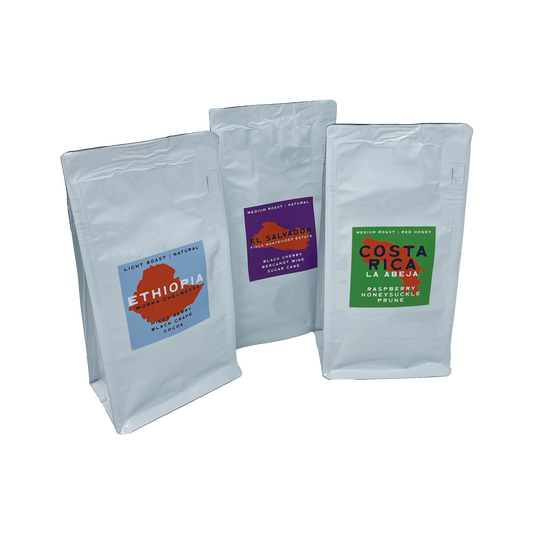
A coffee from Ethiopia might highlight floral and berry notes, while one from Colombia may lean toward caramel and citrus. These distinctions are intentional and celebrated. -
Preserving natural characteristics of the coffee
Rather than roasting dark to create a uniform “coffee flavor,” lighter and more precise roasting allows the inherent qualities of the bean to come through. -
Creating a transparent connection between producer and consumer
Information about where the coffee was grown, who produced it, and how it was processed is shared openly. This builds awareness and appreciation for the people and places behind the product.
This transparency transforms coffee from something anonymous into something traceable and personal. You’re no longer just drinking “coffee”—you’re experiencing a specific place, a specific harvest, and a specific set of decisions made along the way.
In this context, coffee is approached similarly to wine or craft beer, where multiple variables shape the final result. These include:
-
Origin — country, region, and even farm
-
Variety — the specific type of coffee plant
-
Processing method — how the coffee is handled after harvest
-
Roast profile — how heat is applied to develop flavor
-
Brewing method — how the coffee is extracted in the cup
Each of these factors contributes to the overall experience, creating a product that is layered, complex, and worth exploring.
This shift in perspective changes how coffee is valued. It’s no longer just about caffeine or routine—it’s about discovery, craftsmanship, and understanding. Every cup becomes an opportunity to taste something distinct, shaped by both nature and human intention.
That’s what defines third wave coffee: not just higher quality, but a deeper respect for the individuality of every coffee and the process that brings it to life.
The Three Waves of Coffee: A Quick Breakdown
To understand third wave coffee, it helps to look at how coffee culture evolved over time.
First Wave: Coffee as a Commodity
The first wave of coffee focused on making coffee widely available and accessible.
Key characteristics:
-
Mass production
-
Pre-ground coffee
-
Long shelf life
-
Minimal focus on quality
Coffee was valued for convenience and caffeine, not flavor.
Second Wave: Coffee as an Experience
The second wave introduced café culture and elevated the drinking experience.
Key characteristics:
-
Espresso-based drinks
-
Coffee shop environments
-
Focus on ambiance and customization
Coffee became more social and lifestyle-driven, but still lacked deep focus on origin and processing.
Third Wave: Coffee as Craft
The third wave represents a shift toward quality, transparency, and precision.
Key characteristics:
-
Single-origin sourcing
-
Direct relationships with farmers
-
Lighter roast profiles
-
Manual brewing methods
The focus moved from consistency to individuality—each coffee is meant to taste unique.
Core Principles of Third Wave Coffee
Third wave coffee is defined by a set of guiding principles that influence every stage of production and consumption.
1. Quality Over Quantity
The emphasis is on producing fewer, better coffees rather than maximizing volume. Every step is optimized to preserve flavor.
2. Transparency and Traceability
Consumers are given detailed information about their coffee, including:
-
Origin country and region
-
Farm or producer
-
Processing method
-
Harvest details
This creates a direct connection between the drinker and the source.
3. Respect for the Coffee Bean
Coffee is treated as a complex agricultural product. The goal is to highlight its natural characteristics rather than mask them.
4. Precision in Brewing
Brewing becomes a controlled process, with attention to:
-
Ratio
-
Grind size
-
Water temperature
-
Extraction time
Consistency and repeatability are key.
5. Education and Awareness
Third wave coffee encourages learning and exploration. Baristas and roasters often educate customers about flavor, origin, and technique.
Flavor in Third Wave Coffee
One of the most noticeable differences in third wave coffee is flavor. This is often the first thing people recognize when they move from traditional or commercial coffee into specialty. Instead of a single, uniform “coffee taste,” third wave coffee reveals a wide range of distinct, identifiable flavors—many of which people don’t initially expect to find in coffee at all.
Rather than tasting simply “strong” or “bitter,” these coffees can be layered, expressive, and highly nuanced. Each cup has its own identity, shaped by where it comes from and how it was handled throughout the process.
Instead of a generic profile, you’ll find flavors like:
-
Fruity notes such as berry, citrus, or stone fruit
-
Floral aromatics that add lightness and complexity
-
Caramel and chocolate sweetness that provide balance and depth
-
Complex acidity that gives the coffee structure and liveliness
These flavors are not added—they are naturally present in the coffee and revealed through careful cultivation, processing, roasting, and brewing. What changes in third wave coffee is not the coffee itself, but the intention to preserve and highlight what’s already there.
Several key factors contribute to these flavor differences:
-
Origin
Where the coffee is grown has a major impact on flavor. Climate, soil, and regional conditions all influence how the coffee develops. Different countries—and even different regions within the same country—produce distinct flavor profiles. -
Altitude
Higher elevations slow the growth of coffee cherries, allowing more time for sugars and complex compounds to develop. This often leads to brighter acidity and more refined flavors. -
Processing method
The way coffee is handled after harvest affects sweetness, body, and clarity. For example, natural processing can enhance fruitiness, while washed processing tends to produce cleaner, more defined flavors. -
Roast profile
Roasting determines how much of the coffee’s original character is preserved. Lighter roasts are commonly used in third wave coffee because they allow origin-specific flavors to come through, rather than being overshadowed by heavy roast notes.
Together, these variables create a wide spectrum of possible outcomes. No two coffees are exactly the same, and that variation is the point.
The goal of third wave coffee is not to make all coffee taste consistent—it’s to highlight what makes each coffee different. Instead of aiming for uniformity, it embraces diversity. Each coffee is treated as a unique expression of its origin and process.
This shift changes how you experience coffee. You’re no longer just drinking something familiar—you’re tasting something specific. You begin to notice differences between regions, processing methods, and roast styles. Over time, your palate becomes more sensitive, and what once tasted like “coffee” starts to break into recognizable layers of flavor.
That’s what makes third wave coffee so engaging. It turns coffee from a predictable routine into an exploration—where every cup offers the potential to discover something new.
The Role of Roasting
Roasting plays a critical role in third wave coffee.
Lighter Roast Profiles
Third wave roasters often favor lighter roasts because they:
-
Preserve origin characteristics
-
Highlight acidity and aromatics
-
Avoid masking flavors with roast intensity
This is a shift from darker roasts used in commercial coffee, which prioritize consistency over expression.
Brewing Methods in Third Wave Coffee
Third wave coffee often emphasizes manual brewing methods that allow for greater control.
Common methods include:
-
Pour-over (V60, Chemex)
-
AeroPress
-
French press
-
Espresso (with precision dialing)
These methods allow brewers to adjust variables and extract specific flavor profiles.
The Role of the Barista
In third wave coffee, the barista becomes more than just a server—they are a craftsperson.
Responsibilities include:
-
Dialing in grind size and extraction
-
Understanding flavor profiles
-
Communicating with customers
-
Maintaining consistency
The barista is a key part of delivering the final experience.
Sustainability and Ethics
Third wave coffee often emphasizes ethical sourcing and sustainability.
This includes:
-
Direct trade relationships
-
Fair compensation for farmers
-
Environmentally responsible practices
Consumers are increasingly aware of where their coffee comes from and how it is produced.
What Third Wave Coffee Means Today
Today, third wave coffee is no longer a niche—it has influenced the entire industry.
Its impact can be seen in:
-
Grocery stores carrying single-origin coffee
-
More cafés offering pour-over options
-
Increased focus on freshness and roast dates
-
Greater consumer awareness of quality
At the same time, third wave coffee continues to evolve.
Blending Craft and Accessibility
Modern coffee culture is blending third wave principles with convenience. You’ll now find:
-
High-quality ready-to-drink coffee
-
Better home brewing equipment
-
Simplified specialty offerings
The goal is to make quality more accessible without losing integrity.
Less Intimidation, More Inclusion
Earlier third wave coffee could feel overly technical or exclusive. Today, there is a shift toward:
-
Simpler communication
-
More approachable menus
-
Focus on enjoyment over complexity
Common Misconceptions
“Third Wave Coffee Is Always Better”
Not necessarily. While it often prioritizes quality, preference still matters.
“It’s Only About Light Roasts”
While light roasts are common, the real goal is flavor expression—not a specific roast level.
“It’s Too Complicated”
Third wave coffee can be as simple or as detailed as you want it to be.
Why Third Wave Coffee Matters
Third wave coffee changes how we think about coffee by shifting it from something automatic to something intentional. Instead of treating coffee as a background habit—something you drink without much thought—it invites you to engage with it on a deeper level. It reframes coffee as a product with identity, complexity, and potential, rather than just a source of caffeine.
This shift is subtle at first, but once it happens, it changes how you approach every cup.
It encourages:
-
Awareness of origin
You begin to recognize that coffee is not all the same. Where it is grown matters. The country, region, altitude, and even the specific farm all influence how the coffee tastes. Instead of seeing coffee as a generic product, you start to see it as something rooted in place—each origin offering its own distinct character. -
Appreciation of flavor
Flavor becomes something you actively notice rather than passively accept. You move beyond basic descriptors like “strong” or “bitter” and begin to identify sweetness, acidity, texture, and specific flavor notes. Coffee becomes layered, and each cup offers something slightly different to discover. -
Better brewing habits
Brewing becomes more deliberate. You start paying attention to variables like ratio, grind size, water temperature, and brew time. Small adjustments lead to noticeable improvements, and consistency becomes easier to achieve. Instead of guessing, you begin to understand cause and effect. -
More intentional consumption
You become more selective about what you drink and how you drink it. Whether it’s choosing fresher beans, supporting certain producers, or taking a few extra minutes to brew properly, your decisions become more purposeful. Coffee becomes less about convenience and more about quality and experience.
Together, these changes transform coffee from a passive routine into an active experience.
It turns coffee into something you experience—not just something you drink.
You start to notice aroma before the first sip.
You pay attention to how the flavor develops as it cools.
You recognize differences between coffees instead of expecting them to taste the same.
Even small moments—like brewing at home or ordering at a café—become more engaging because you understand what’s happening behind the scenes.
This doesn’t mean coffee has to become complicated or overly technical. The goal isn’t to analyze every cup—it’s to be more aware of what you’re experiencing. Even a basic understanding can dramatically improve how much you enjoy your coffee.
That’s the real impact of third wave coffee. It doesn’t just improve the product—it changes your relationship with it.
And once that shift happens, coffee stops being something you rely on—and becomes something you genuinely enjoy.
Final Thoughts: Coffee as Craft, Not Just Commodity
Third wave coffee represents a shift from quantity to quality, from routine to intention, and from anonymity to transparency. It marks a fundamental change in how coffee is valued—not just as a product, but as a process and an experience. Instead of prioritizing volume, shelf life, and uniformity, the focus moves toward craftsmanship, origin, and the unique characteristics that make each coffee distinct.
This shift is not just about better coffee—it’s about a different mindset.
It’s about understanding:
-
Where coffee comes from
Recognizing that coffee is an agricultural product shaped by geography, climate, and the people who grow it. Origin is no longer an afterthought—it’s a defining part of the experience. -
How it is produced
From farming practices to processing methods, each step influences the final flavor. Third wave coffee brings visibility to these stages, creating a deeper appreciation for the work behind every cup. -
How it tastes
Moving beyond generic descriptors and beginning to recognize specific flavor notes, balance, and structure. Coffee becomes something you can evaluate, compare, and understand. -
How to bring out its best qualities
Brewing is no longer automatic—it’s intentional. Variables like grind size, ratio, and water temperature are adjusted to highlight the coffee’s potential rather than mask it.
Together, these elements create a more complete relationship with coffee. You’re not just consuming it—you’re engaging with it.
At the same time, third wave coffee today is less about fitting into a strict category and more about influencing how coffee is approached across the board. Its principles—quality, transparency, and intention—have spread beyond specialty cafés into the broader industry.
You can see its impact in:
-
Grocery stores offering single-origin options
-
More awareness around roast dates and freshness
-
Better brewing tools becoming widely available
-
Increased interest in sustainability and sourcing
Even if you don’t think of yourself as a “coffee enthusiast,” you’re likely already benefiting from these changes. The baseline for what is considered “good coffee” has improved. Beans are fresher, sourcing is clearer, and brewing standards are higher than they were even a decade ago.
This is part of what makes third wave coffee so significant—it has raised expectations across the entire coffee landscape, not just within niche circles.
In the end, third wave coffee is built on one simple idea:
Coffee should taste as good as it possibly can.
That idea sounds straightforward, but it carries real implications. It means respecting the product, understanding the process, and making intentional choices at every stage—from farm to cup.
And once you start paying attention to that, something shifts.
Coffee stops being automatic.
It stops being something you drink without thinking.
Instead, every cup becomes something worth experiencing—something you can notice, appreciate, and even learn from.
That’s the lasting impact of third wave coffee. It doesn’t just change how coffee is made—it changes how it’s experienced.